Originally published . AI polished for a better reading experience: .
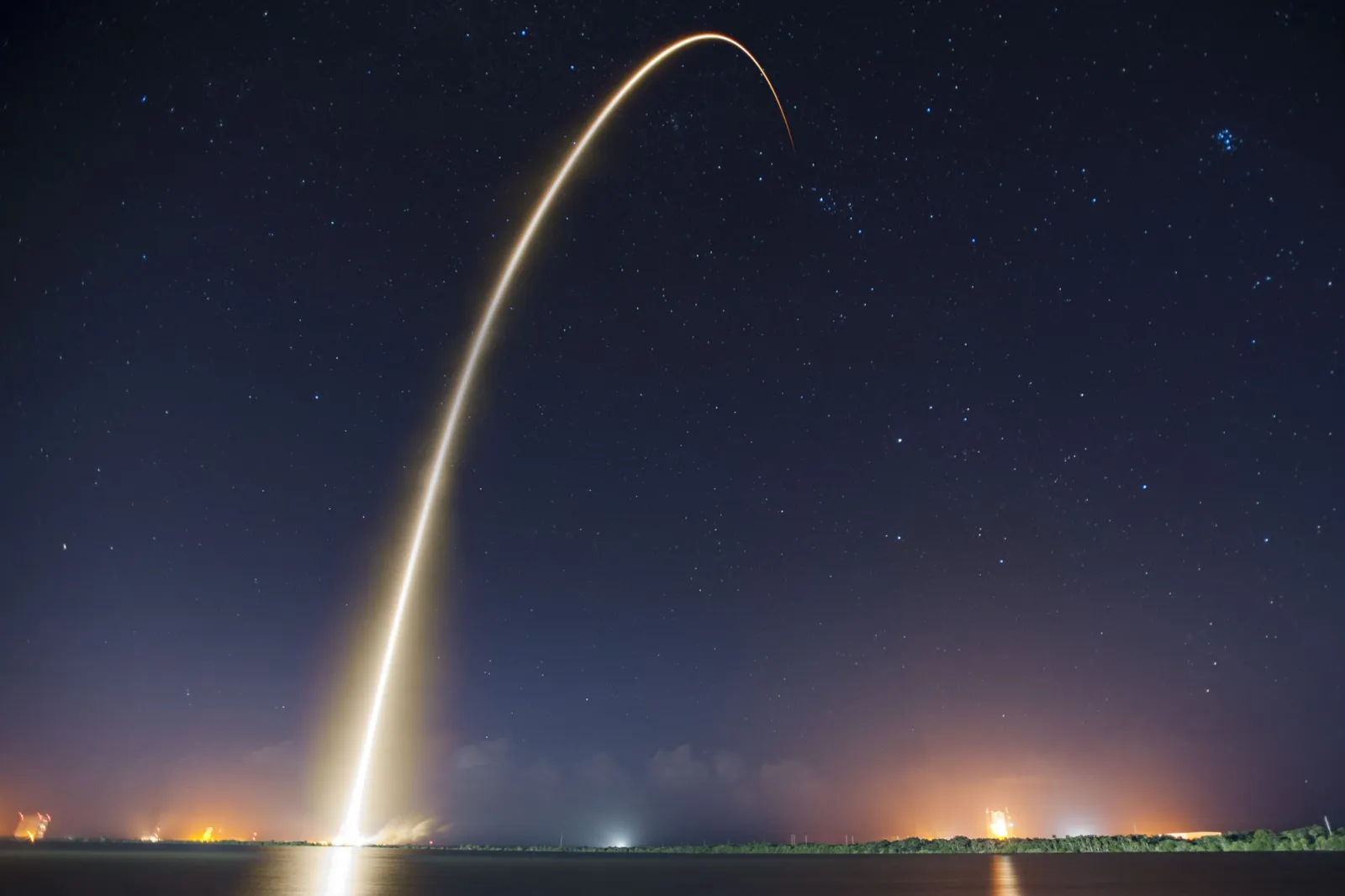
A bunch of important milestones were reached this month in private space exploration. The most notable is Blue Origin’s successful flight of the New Shepard test vehicle. It was a giant leap for the industry: they achieved a soft landing not only for the capsule but also for the booster. As far as I know, that is a first in history.
Behind the achievement stands Blue Origin’s owner, Jeff Bezos — the well-known founder of Amazon.com. His goal is to cut the cost of space travel sharply by reusing launchers that today fall into the ocean and are discarded after a single flight. As Mr Bezos puts it:
“The ultimate vision should be aircraftlike operations.”
Just as a single-use airliner thrown away after one flight would be unthinkable, space travel should move toward something more like aviation, where rockets and ships are fixed assets rather than pure variable costs.
Other good news came from the White House. President Barack Obama signed into law a historic bill recognising property rights in asteroid resources. That gives startups such as Planetary Resources a legal umbrella that protects their investment.
Planetary Resources, with Peter Diamandis as co-founder, aims to build an asteroid-mining industry — using the abundance of expensive materials on near-Earth asteroids, mining them, and bringing them back to Earth.
Just two days ago came more news, this time from Virgin Galactic. Richard Branson’s firm announced “Cosmic Girl,” the first Boeing 747 Virgin Galactic will use to launch satellites into orbit with a rocket hung under the belly. Enjoy the idea and how cool it is.
On top of those three stories, the Cygnus spacecraft is about to launch from Florida toward the International Space Station with supplies for the crew. Cygnus is built and operated by Orbital ATK, a private company that won a contract to resupply the ISS with cargo and food.
Finally, SpaceX — Elon Musk’s aerospace company (he also founded Tesla and PayPal) — is planning to land Falcon 9 boosters after orbital delivery of a station resupply mission. That is similar in spirit to what Blue Origin has just demonstrated, but on a larger scale: Blue Origin’s rocket is suborbital; Falcon 9 is a full orbital launcher.
It is remarkable how these multi-billion-dollar entrepreneurs are investing in space technology. After the retirement of the Space Shuttle there was plenty of scepticism about the path US leaders had chosen. Given the success of the companies above and the growing competition among them, it is fair to say the industry is on the right track.
Comments
Loading…
Log in or register to comment.